
Interactive 2-Day workshop
Introduction to
Concept-Based Inquiry
april 27 - 28, 2026
Hosted by
Cornish College
65 Riverend Rd, Bangholme, Victoria, Australia
Introduction to Concept-Based Inquiry
april 27 - 28, 2026
An Interactive Workshop
Hosted By
Cornish College
65 Riverend Rd, Bangholme Victoria, Australia
Join Rachel french in australia, april 2026
Unlock the power of a Concept-Based Inquiry approach
Across Australian classrooms, many teachers are being asked to deliver increasingly prescribed programs and “what works” approaches. While explicit instruction has an important role, many educators are noticing a growing tension:
Students may comply, but they’re often disengaged, restless, or unable to transfer their learning.
This 2-day Concept-Based Inquiry workshop supports educators to design learning experiences that move beyond coverage and compliance toward conceptual understanding, intellectual engagement, and transfer, without abandoning structure, guidance, or evidence.
Join Rachel french in australia, april 2026
Unlock the power of a Concept-Based Inquiry approach
Across Australian classrooms, many teachers are being asked to deliver increasingly prescribed programs and “what works” approaches. While explicit instruction has an important role, many educators are noticing a growing tension:
Students may comply — but they’re often disengaged, restless, or unable to transfer their learning.
This 2-day Concept-Based Inquiry workshop supports educators to design learning experiences that move beyond coverage and compliance toward conceptual understanding, intellectual engagement, and transfer — without abandoning structure, guidance, or evidence.
DO YOU
WANT TO:
Transform Education
Challenge Your Ideas
Explore common myths about Concept-Based Inquiry
Ignite Their Thinking
Empower students to do the Thinking and Own Learning
Transform
Your Teaching
Learn practical strategies you can implement in your school or classroom
Workshop Outline
Here's what you get:
Step into your students' shoes in a model lesson that demonstrates the power of guiding questions and case studies in building conceptual understanding.
Following the lesson, participate in a debrief where you’ll explore the role of guiding questions, case studies, and the inductive teaching process.
Reflect on when and how to use structured, guided, and open inquiry to foster student thinking.
Gain insights from video clips showcasing the kinds of thinking developed at each stage of inquiry.
Learn from Rachel French as she introduces a six-phase model of Concept-Based Inquiry, and explore teaching practices proven to help students think conceptually.
Leave with a ready-to-use toolkit of instructional strategies that enhance units you are currently teaching, ensuring immediate impact in your classroom.
WHAT THEY'RE SAYING
"Concept-Based Inquiry has completely changed how I approach everything I do in school."
Teaching students, conferring with small groups, coaching teachers, and leading PD.
The main shift has been a huge increase in the amount of time and methods I use during concept formation. I have seen such progress from all students and the teachers I work with as a result.
GARETH ROSE,
FRANKFURT INTERNATIONAL SCHOOL
"I loved learning so many useful, practical strategies that enhance my ability to facilitate concept-based inquiry."
Authentic case studies presented throughout the workshop put recommended teaching strategies in context and really justified their efficacy.
I left this PD with a dozen or so approaches that I was eager to try out in my own classroom. This PD, led by Rachel, was a priceless provocation for me as a teacher and learner, and I now feel more motivated to continue growing my expertise in Concept-Based inquiry.
David Rive,
Grade 4 Teacher
St. Johnsbury Academy, Jeju

Testimonials
What eduactors are saying
Jenny Dunn
PYP Teacher
The Rock School, Gainesville, FL, USA
★ ★ ★ ★ ★
"I learned so much from this workshop about effective questioning, the role of the teacher, structuring learning experiences, and developing strong concepts. I left feeling empowered and excited to apply these strategies in my classroom right away."
Alexsandra Bermudez
Teaching and Learning Coordinator
International Community School, Georgia, USA
★ ★ ★ ★ ★
"One of the most meaningful parts of this workshop was experiencing the learning as students. Even though I’ve engaged with concept-based inquiry before, this experience helped me notice new nuances in the facilitation and reenergized me in the work. I’m leaving thinking carefully about how our generalizations progress across grade levels so that the thinking we ask of students grows in complexity."
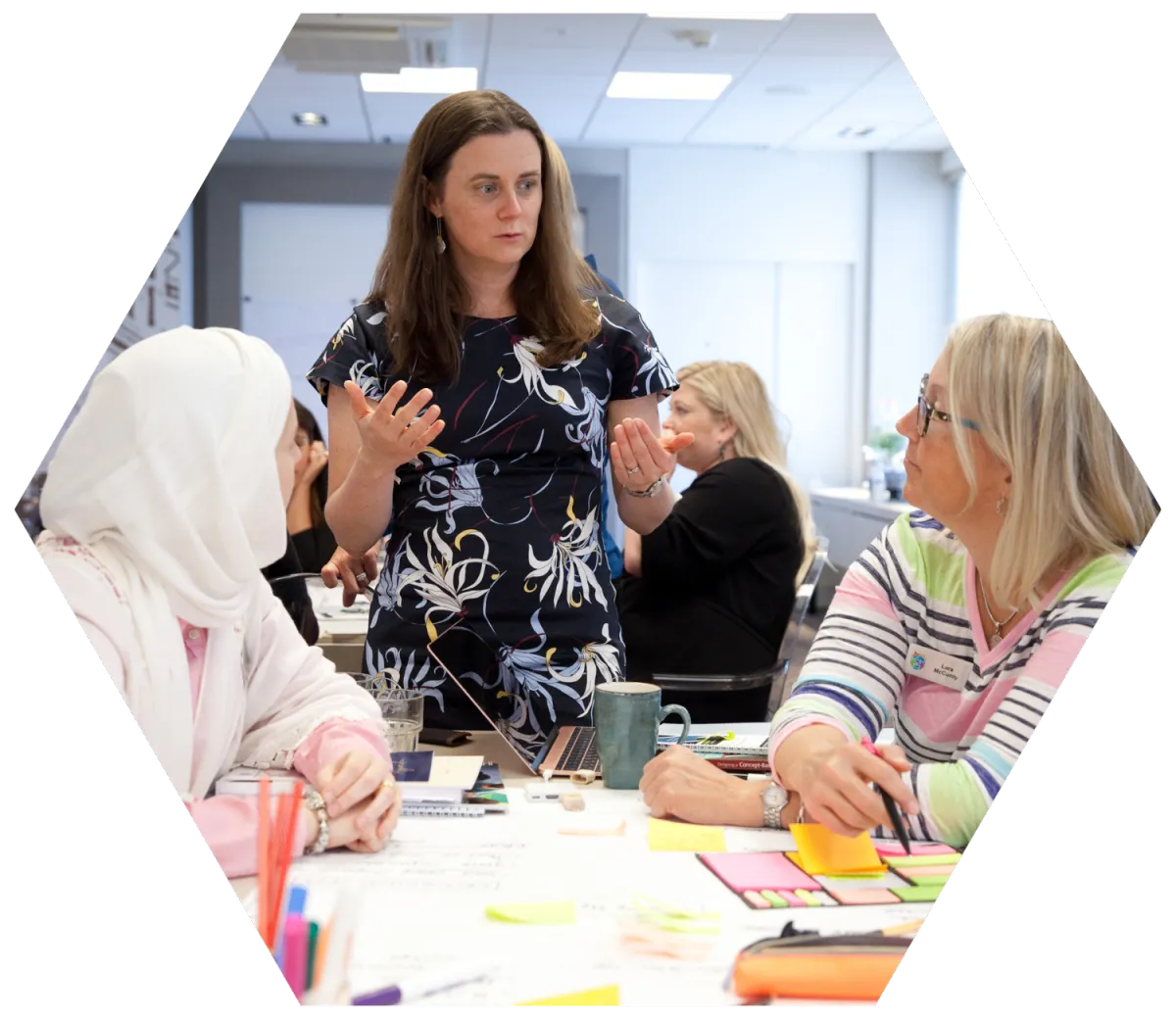
Discover the Concept-Based Inquiry model developed by French and Marschall, and unlock a framework for intentional teaching and learning. Immerse yourself in various teaching strategies carefully crafted to cultivate students' conceptual thinking.
Transform your teaching practice and leverage the power of a Concept-Based approach.
Professional
Development
Our Goals
Goal 1
Share a model of Concept-Based Inquiry that you use as a framework for planning intentionally designing learning experiences across the curriculum.
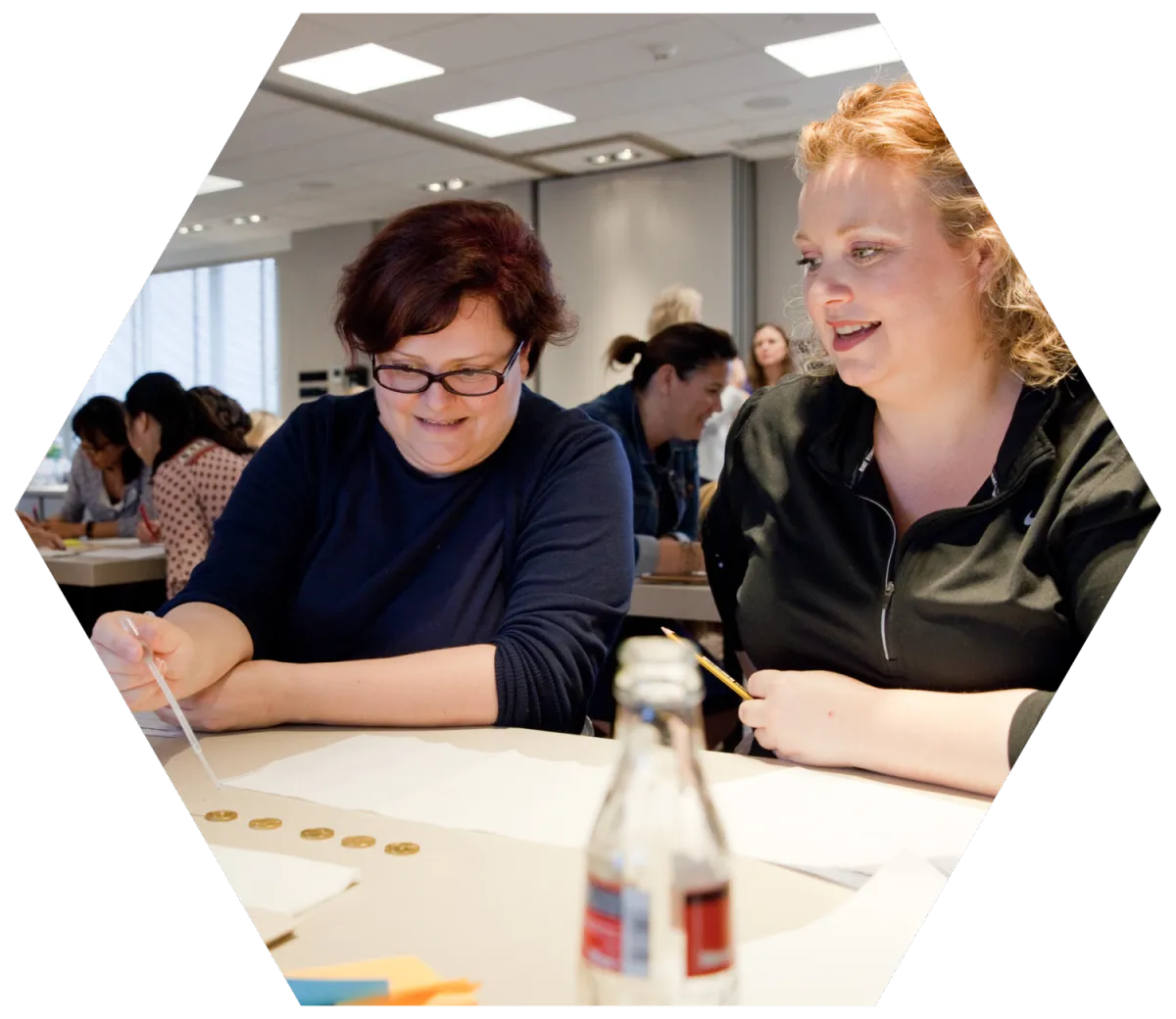
Goal 2
Develop your toolbox of practical teaching strategies that can be used flexibly to support concept attainment, scaffold conceptual understanding, promote learning transfer.
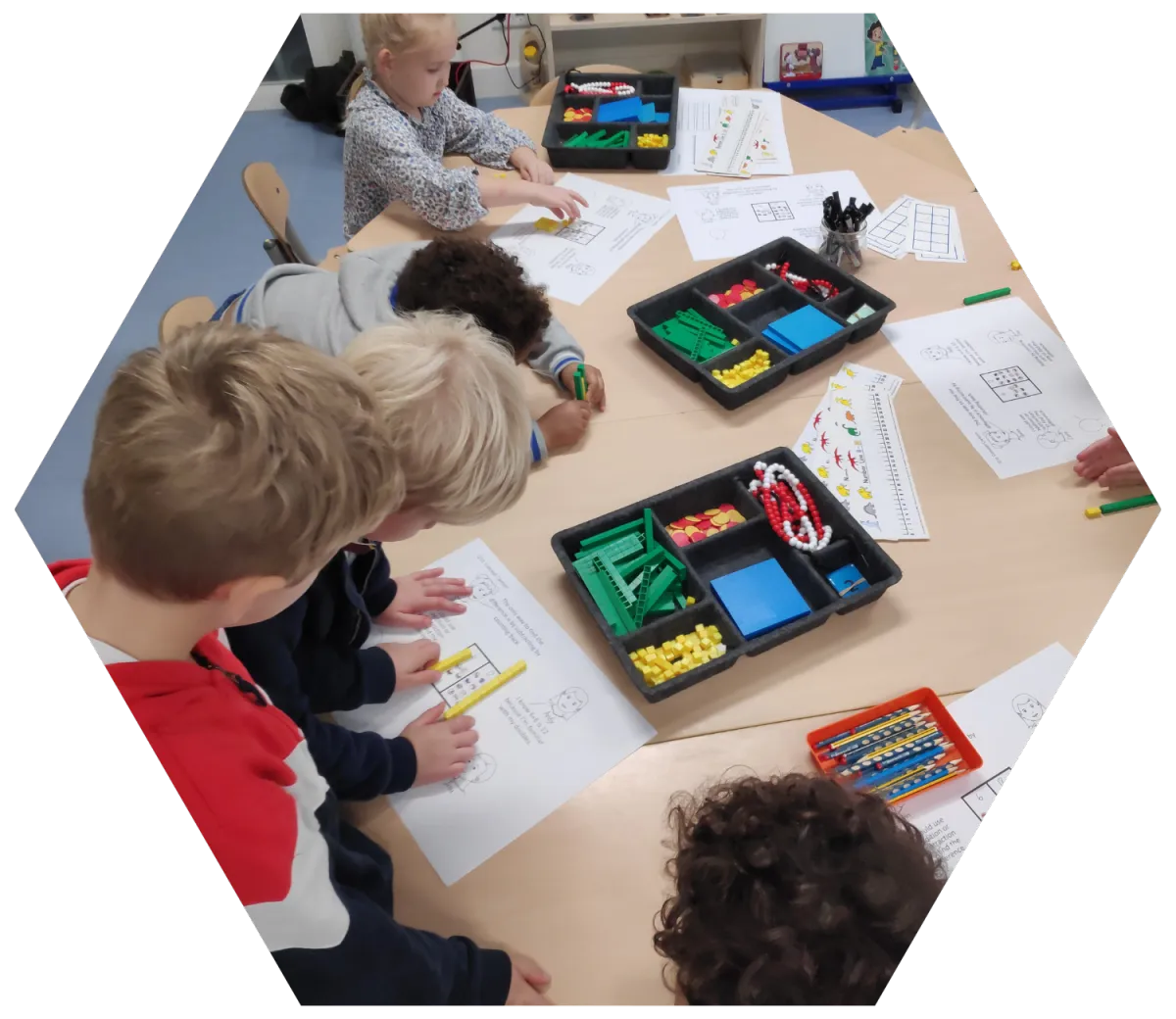
Goal 3
Discover how guiding questions can be used to empower students as thinkers capable of seeing patterns and making connections to develop understanding.
meet your PRESENTERS
Rachel French & Lauren Zeigler
meet your PRESENTERS
Rachel French & Lauren Zeigler
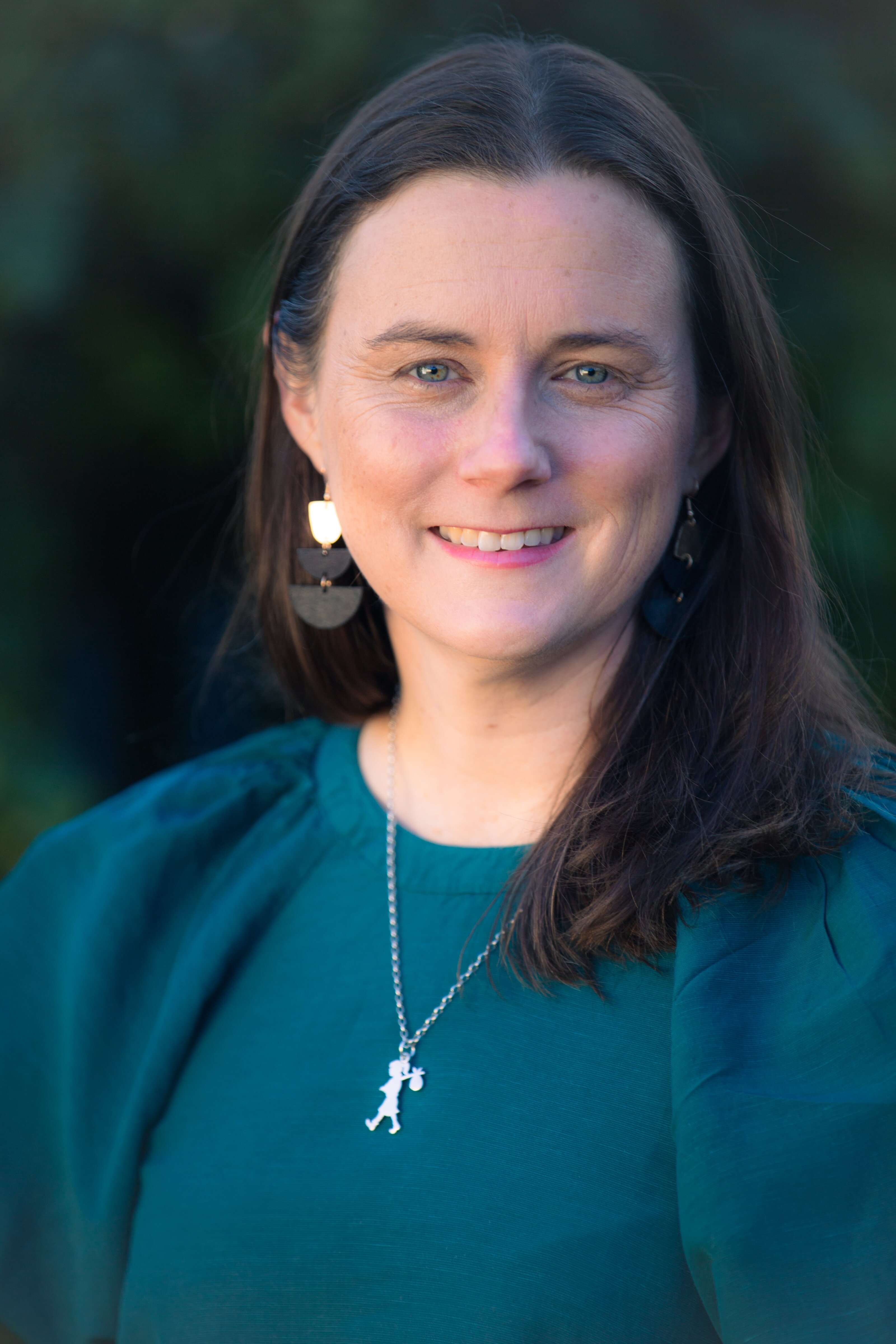
Rachel French, MA Ed. is a certified Independent Concept-Based Consultant, Presenter, and Director of Professional Learning International.
Rachel French, MA Ed. has led innovative curriculum design and transformed how educators teach and students learn for over 12 years.
Mentored by the founders of Concept-Based Curriculum themselves, Dr. H Lynn Erickson and Dr. Lois A. Lanning, Rachel was entrusted with the exclusive worldwide rights to be the sole provider of the Erickson and Lanning Concept-Based Curriculum and Instruction (CBCI) Trainer Certification Institute — the certification that kick-started her journey into Concept-Based Inquiry and inspired her own approach to the pedagogy.
Rachel has presented numerous workshops and conferences on Concept-Based Learning globally. She now hosts the annual Concept-Based Inquiry Learning Labs Conference, a conference dedicated to bringing together passionate CBI educators from around the globe.
Rachel’s mission is to help other educators transform their classrooms and schools by accessing leading professional development, planning and implementing Concept-Based units, and adopting a Concept-Based curriculum development approach.
Rachel lives in Greytown New Zealand, with her husband and three children.
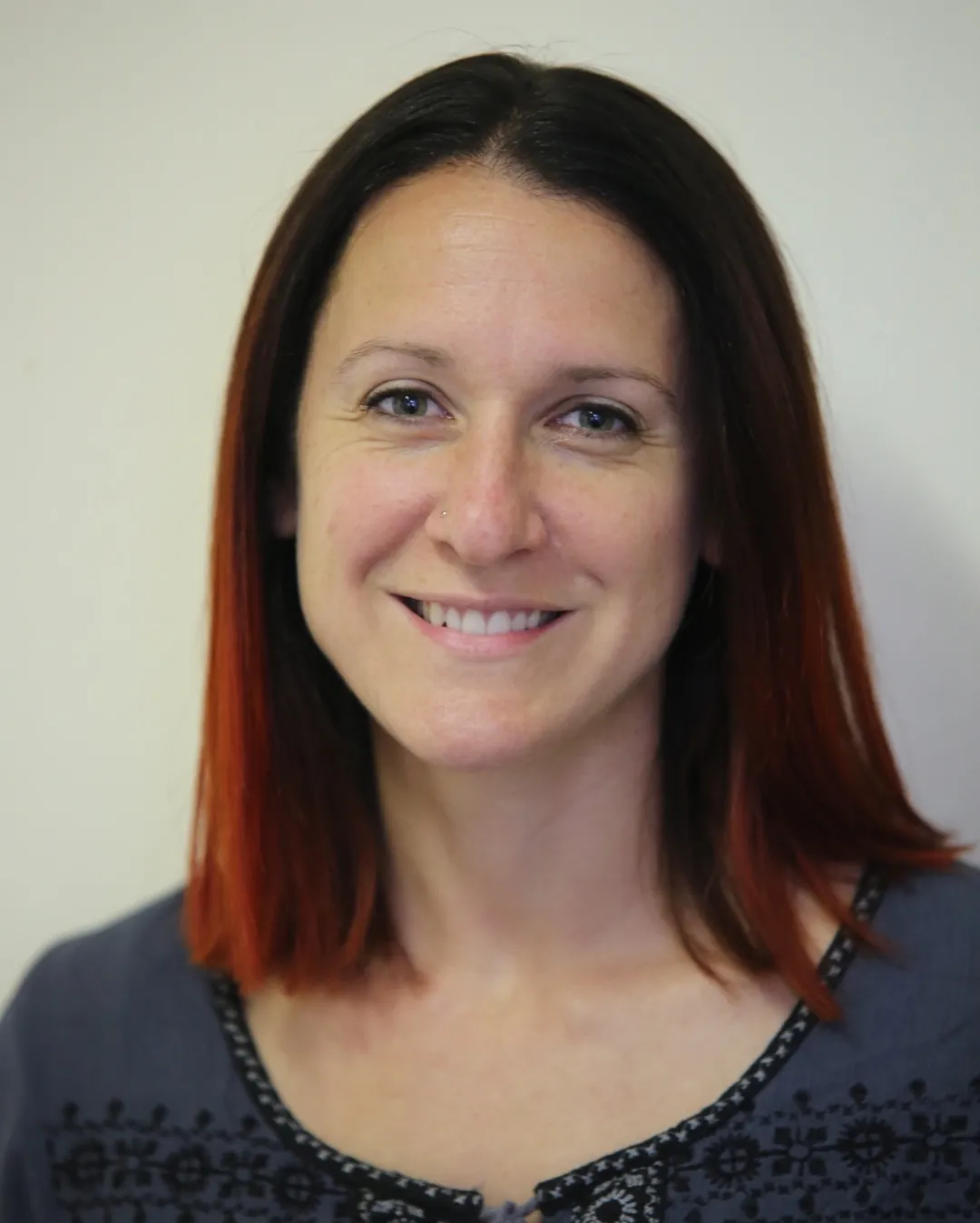
Lauren Zeigler is a certified Independent Concept-Based Consultant, Presenter, Course Facilitator, and specialist in Theatre and English studies.
Lauren is a Theatre and English educator who feels privileged to be part of young people's learning journeys every day. Over the years, she has taught students at all levels, from early childhood to senior students, and is passionate about developing and delivering purposeful curricula. In addition to her classroom role, she has served in various capacities as a teacher-educator, assessor, curriculum writer, and committee member for educational organizations.
Lauren is an Erickson and Lanning Concept-Based Curriculum and Instruction Certified Trainer and works with Professional Learning International as a consultant and coach. Currently, she spends most of her time in the classroom and serves as the Concept-Based Learning and Teaching Leader at Cornish College in Melbourne, Australia.
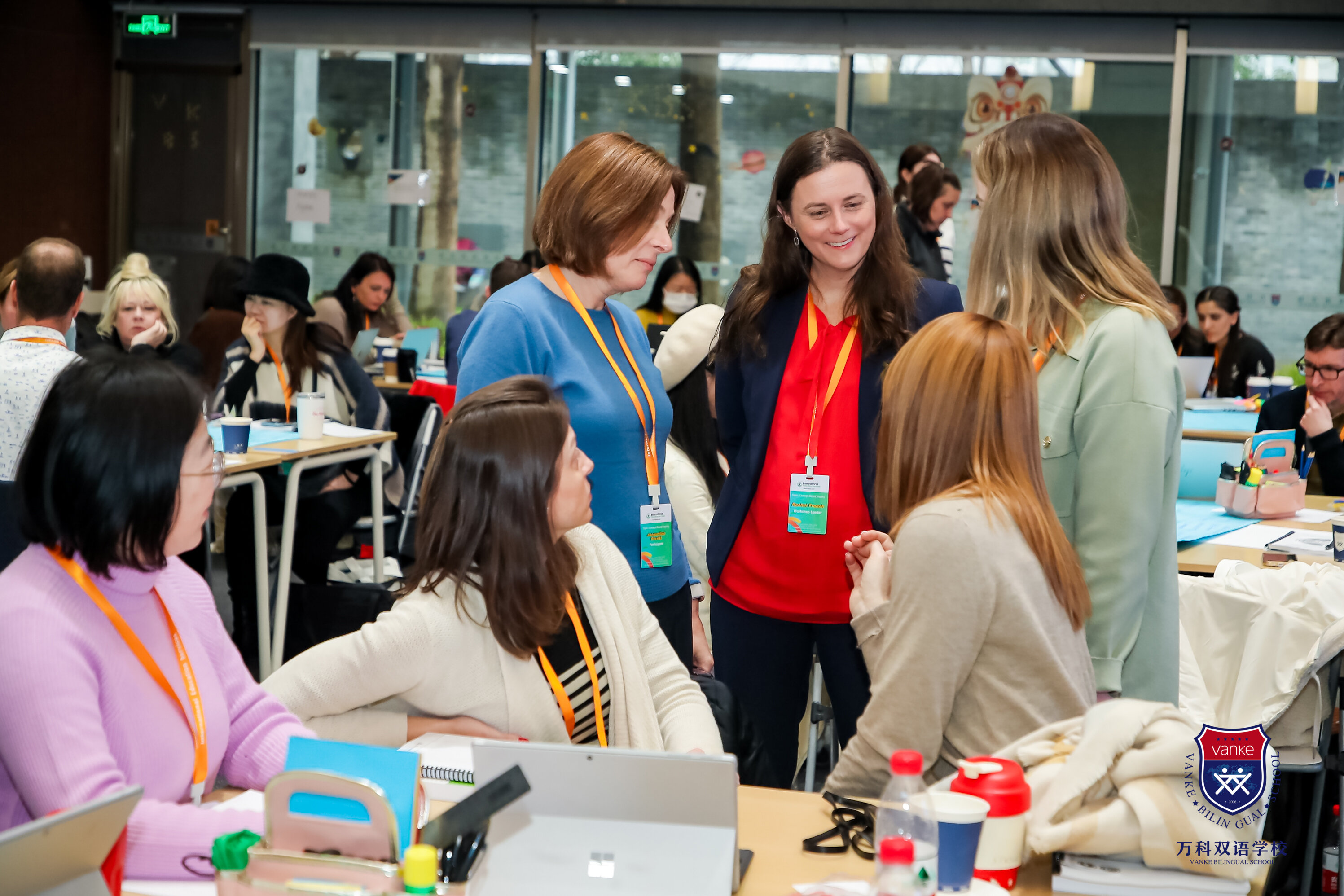
Your Investment
Transform the way you
think about education
for $650 AUD
The cost of the 2-day workshop is $650 AUD.
This includes a copy of Concept-Based Inquiry in Action, as well as morning tea and lunch on both days.
Let's get started!
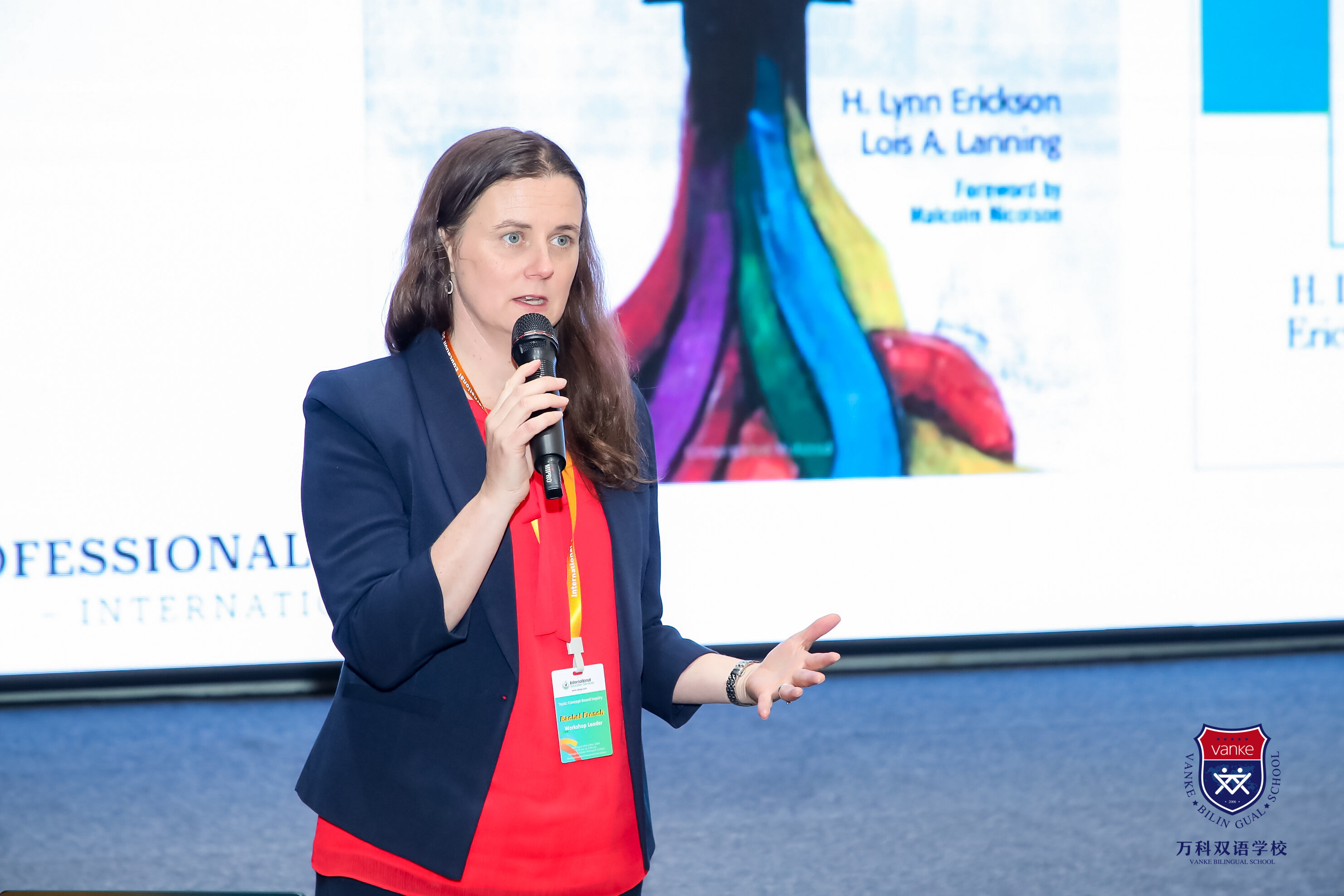
Join Rachel French and Lauren Zeigler for this interactive 2-day workshop.
This hands-on approach invites you to recognize patterns and make connections, allowing you to articulate your own transferable conceptual understandings. The debrief session will delve into the strategies used to support inductive teaching.
About Cornish College
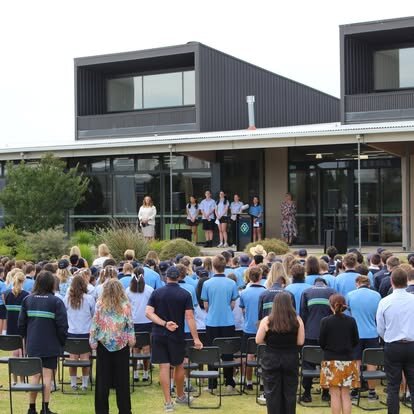
Cornish is an independent coeducational school offering Early Learning through Year 12 education in a 100-acre natural parkland setting. Located within a unique learning environment, Cornish provides students with the space and opportunities to engage beyond the classroom and develop a strong connection to the world around them.
The school delivers a holistic, interdisciplinary curriculum that encourages critical thinking, creative problem-solving, and deep engagement across subjects. Guided by a powerful curriculum and passionate teachers, Cornish develops the heart, mind, and character of each student, empowering them to make a positive contribution toward a sustainable and thriving future.
Ready to lead change in education?
Join a global cohort of educators in the Erickson & Lanning CBCI Trainer Certification Institute.
Transform your teaching.
Transform your career.


Transforming education starts with you.
